
Why You’ll Love This Recipe
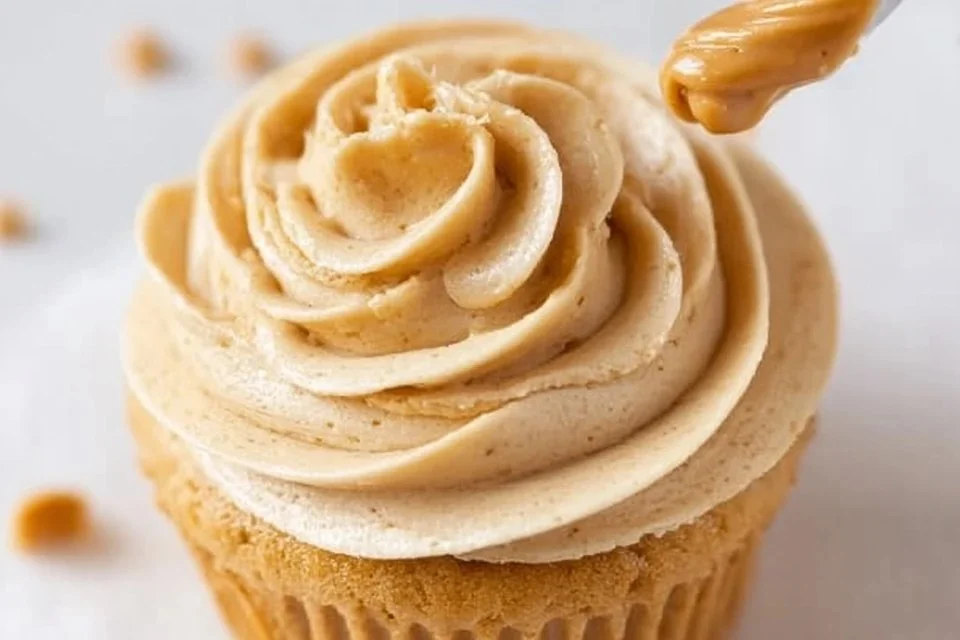
This Peanut Butter Frosting is both easy to make and reliable for all your baking needs. Its comforting, balanced flavor appeals to peanut butter lovers while being practical for everyday use. Whether you’re baking for a special occasion or just wanting to elevate your snacks at home, this frosting adds a genuine touch to your desserts and makes them extra special.
Kitchen Tools You’ll Need
- Mixing bowl
- Hand mixer or stand mixer
- Spatula
- Measuring cups
- Measuring spoons
Ingredients
- 1 cup butter (softened; provides richness and smoothness)
- 1 cup creamy peanut butter (room temperature; adds flavor and creamy texture)
- 3 cups powdered sugar (up to 4 cups for a stiffer frosting; for sweetness and structure)
- 1 tsp vanilla extract (optional; enhances flavor)
- ¼-½ tsp salt (balances sweetness)
- 1-2 tbsp milk or cream (up to ¼ cup if desired; adjusts consistency)
How to Make Peanut Butter Frosting
Step 1. Begin by placing the softened butter into a mixing bowl. It should be at room temperature, allowing for smooth incorporation into the frosting. Use a fork or spatula to break down the butter and make it easier to cream. Once the butter is soft and pliable, this step will be ready.
Step 2. Next, add the creamy peanut butter to the softened butter. Both should combine well, creating a smooth mixture. Use a hand mixer or stand mixer to blend them together until the peanut butter is fully integrated and the mixture is light and fluffy. Look for a consistent color and texture with no lumps.
Step 3. Gradually incorporate the powdered sugar into the mixture. Start with three cups and add it slowly to prevent a sugar cloud from forming. Mix at a low speed until the sugar is combined, then increase to medium. This will ensure that the frosting becomes sweet and fluffy without any gritty texture.
Step 4. After mixing in the powdered sugar, add the vanilla extract, if using. This will contribute a warm richness to the overall flavor of the frosting. Blend it in on low speed until just incorporated, being careful not to overmix, as you want to retain the lightness of the frosting.
Step 5. Now, sprinkle in the salt (adjusting to your taste) and mix briefly to combine. This will help balance the sweetness of the frosting while enhancing the peanut butter flavor. Taste the frosting at this stage to see if it meets your preference for saltiness.
Step 6. Finally, if your frosting seems too thick, gradually add in the milk or cream, one tablespoon at a time. Continue mixing until you reach your desired consistency—smooth yet spreadable. Be careful not to add too much liquid, as that can make the frosting runny.
Serving Suggestions
Peanut Butter Frosting is incredibly versatile and can be used in many ways. Spread it generously on freshly baked chocolate cupcakes for a classic flavor combination. It also works beautifully as a topping for a rich chocolate cake, or even between layers of a cookie sandwich. For a quick snack, try it on toasted bread or rice cakes. With leftovers, simply store in the fridge and enjoy it later as a sweet dip with fruits or pretzels.
Pro Tips for Best Results
- Ensure your butter and peanut butter are at room temperature for easy mixing.
- Gradually add powdered sugar to avoid messiness.
- Taste as you go, adjusting salt and sweetness to your liking.
- If frosting is too thick, add milk or cream slowly to control consistency.
- Allow it to rest a bit at room temperature before serving if chilled.
Common Mistakes to Avoid
- Using Cold Butter: Cold butter can lead to a lumpy frosting. Make sure to soften the butter fully for a smoother texture. Leaving it out at room temperature for a bit before starting is best.
- Overmixing: Mixing too long can result in a runny frosting. Once everything is combined and smooth, stop mixing to keep the desired consistency.
- Incorrect Sugar Measurement: Too much or too little powdered sugar can significantly change the texture and flavor. Measure precisely, keeping in mind you can adjust to your taste.
- Ignoring Salt: Skipping the salt may result in overly sweet frosting, lacking flavor balance. Even a small amount can elevate the overall taste.
- Not Tasting During Preparation: Failing to taste the mixture may lead to a frosting that’s not quite right for your palate. Always adjust flavors as you go.
- Neglecting to Chill Before Use: If the frosting is too soft after mixing, it can melt off pastries. Chill it for a bit to firm it up if necessary before spreading.
Variations & Substitutions
You can experiment by adding mix-ins like chocolate chips or crushed nuts for added texture. For a deeper flavor, try using crunchy peanut butter instead of creamy. Additionally, a swirl of chocolate or other flavored extracts can add a nice twist. Adjust sweetness by starting with less powdered sugar, especially if you prefer a less sweet frosting.
Storage & Reheating
Store Peanut Butter Frosting in an airtight container. At room temperature, it can last for up to a day. For longer storage, keep it in the refrigerator, where it will stay fresh for about a week. If you choose to freeze it, place it in a freezer-safe container, and it can last for up to three months. When ready to use, thaw in the refrigerator overnight for the best texture.
Nutrition Information
Nutrition values are estimates and may vary based on ingredients used.
Frequently Asked Questions
Can I make this recipe ahead of time?
Yes, you can prepare this frosting ahead of time. Store it in the refrigerator for up to a week, or freeze it for up to three months. If you freeze it, remember to allow it to thaw completely before use.
How long does it last in the fridge?
When stored in the refrigerator in an airtight container, Peanut Butter Frosting can last for about a week. Be sure to check for any changes in texture or smell before using.
Can I freeze this recipe?
Absolutely! Peanut Butter Frosting freezes well. Just make sure to use a freezer-safe container. When you’re ready to use it, let it thaw in the fridge overnight, and give it a good stir before spreading.
What can I substitute for one ingredient?
If you need to replace an ingredient, consider using margarine in place of butter, though it may slightly change the flavor and texture. Peanut butter alternatives can offer a similar experience, although the flavor will differ.
Why didn’t my recipe turn out as expected?
Several factors can affect the outcome, such as the temperature of your ingredients, incorrect measurements, or overmixing. Ensure your ingredients are at the right temperature and measured accurately for the best results.
Final Thoughts
Making Peanut Butter Frosting is a straightforward experience that brings a satisfying richness to your desserts. The balance of flavors and creamy texture creates a delightful treat that is perfect for any occasion. This recipe is a great way to add a personal touch to your sweets, and it reassures you that homemade is always a warm and comforting choice. Enjoy every bite!
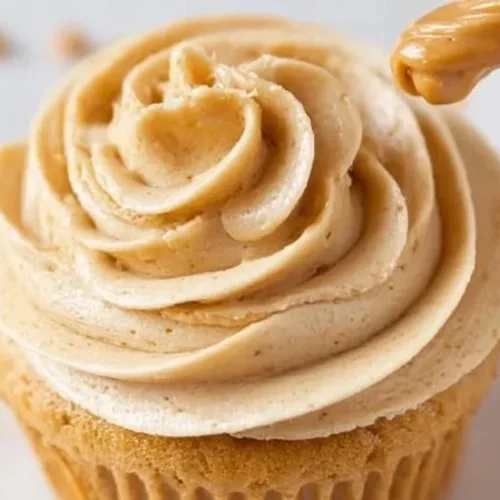
Peanut Butter Frosting
Ingredients
Main Ingredients
- 1 cup butter (softened) Provides richness and smoothness
- 1 cup creamy peanut butter (room temperature) Adds flavor and creamy texture
- 3 cups powdered sugar For sweetness and structure; up to 4 cups for a stiffer frosting
- 1 tsp vanilla extract (optional) Enhances flavor
- 1/4-1/2 tsp salt Balances sweetness
- 1-2 tbsp milk or cream Adjusts consistency; up to 1/4 cup if desired
Instructions
Preparation
- Begin by placing the softened butter into a mixing bowl, breaking it down with a fork or spatula for smooth incorporation.
- Add creamy peanut butter to the softened butter, blending with a hand mixer or stand mixer until light and fluffy.
- Gradually incorporate the powdered sugar, mixing at low speed to prevent a sugar cloud, then increase to medium until combined.
- Add vanilla extract, if using, and blend on low speed until just incorporated.
- Sprinkle in salt and mix briefly to combine, adjusting to taste.
- If the frosting is too thick, add milk or cream, one tablespoon at a time, mixing until desired consistency is achieved.