
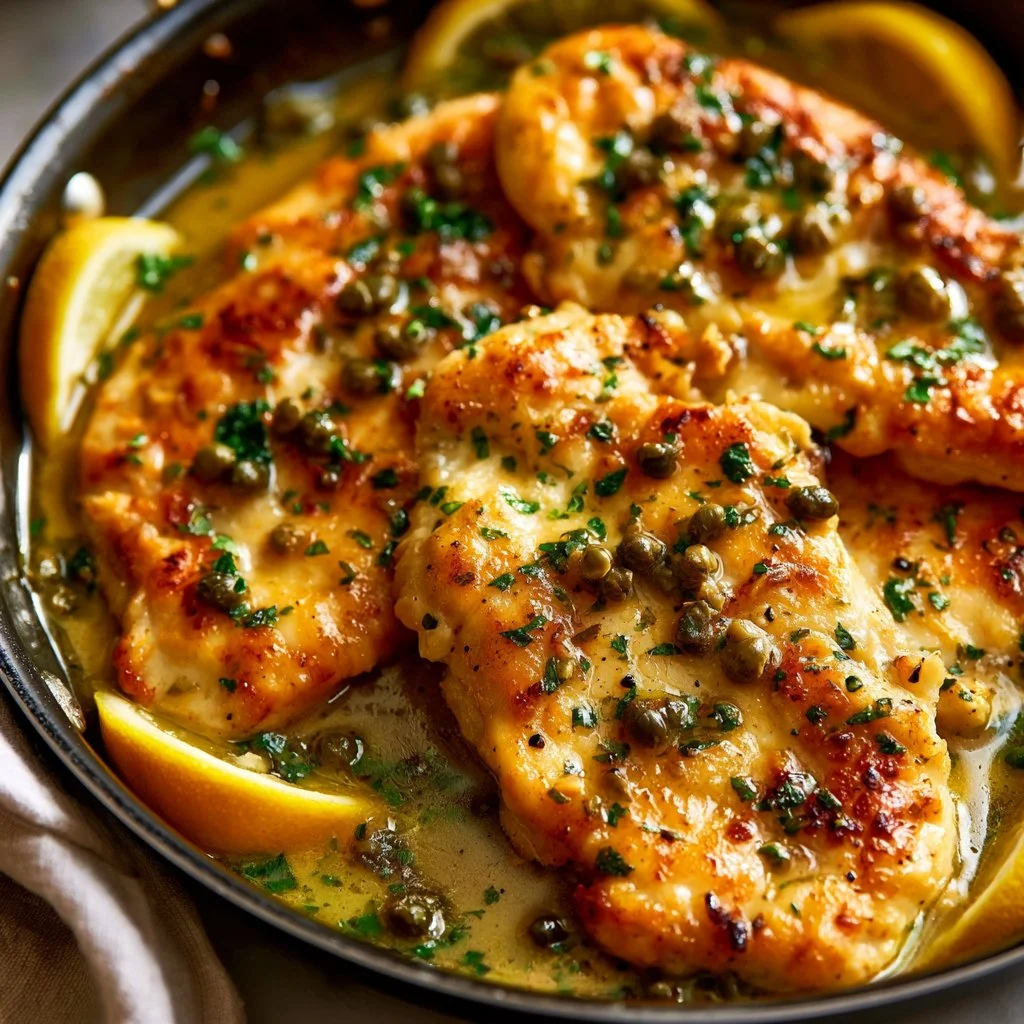
Cooking can often feel like a dance, with each ingredient moving gracefully together. There’s something special about creating a comforting dish like this, which brings a sense of warmth after a busy day or makes for a lovely weekend meal. Whether shared with loved ones or enjoyed in a quiet moment to oneself, this recipe for chicken piccata is straightforward and perfected over time. It’s a reliable choice, grounded in flavor and simplicity. Allow yourself to step into the process, and let’s explore how to make this delightful dish.
Why You’ll Love This Chicken Piccata
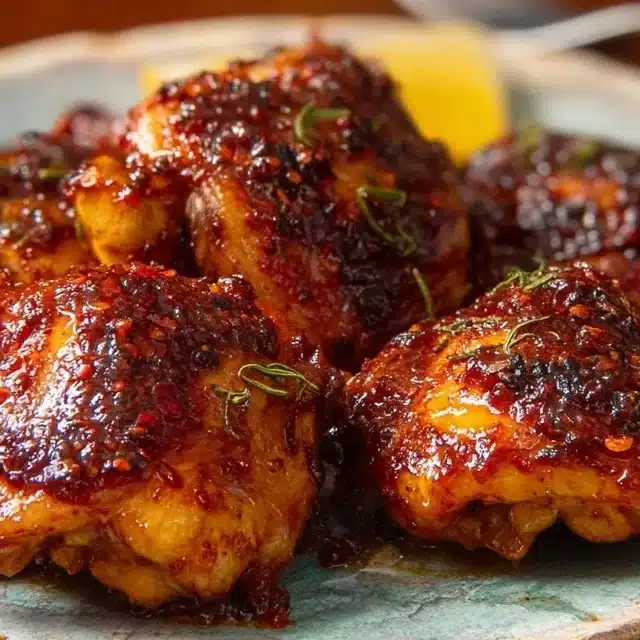
This chicken piccata recipe is easy to follow, making it a dependable choice any day of the week. The golden, pan-seared chicken pairs perfectly with the bright and balanced flavors of the sauce, showcasing a comforting blend that satisfies. Its simplicity means it can be a go-to for busy nights, yet it’s just elegant enough for gatherings, adding to its practical everyday value.
Kitchen Tools You’ll Need
- Large skillet
- Meat mallet or rolling pin
- Shallow dish
- Measuring cups and spoons
- Cutting board
- Knife
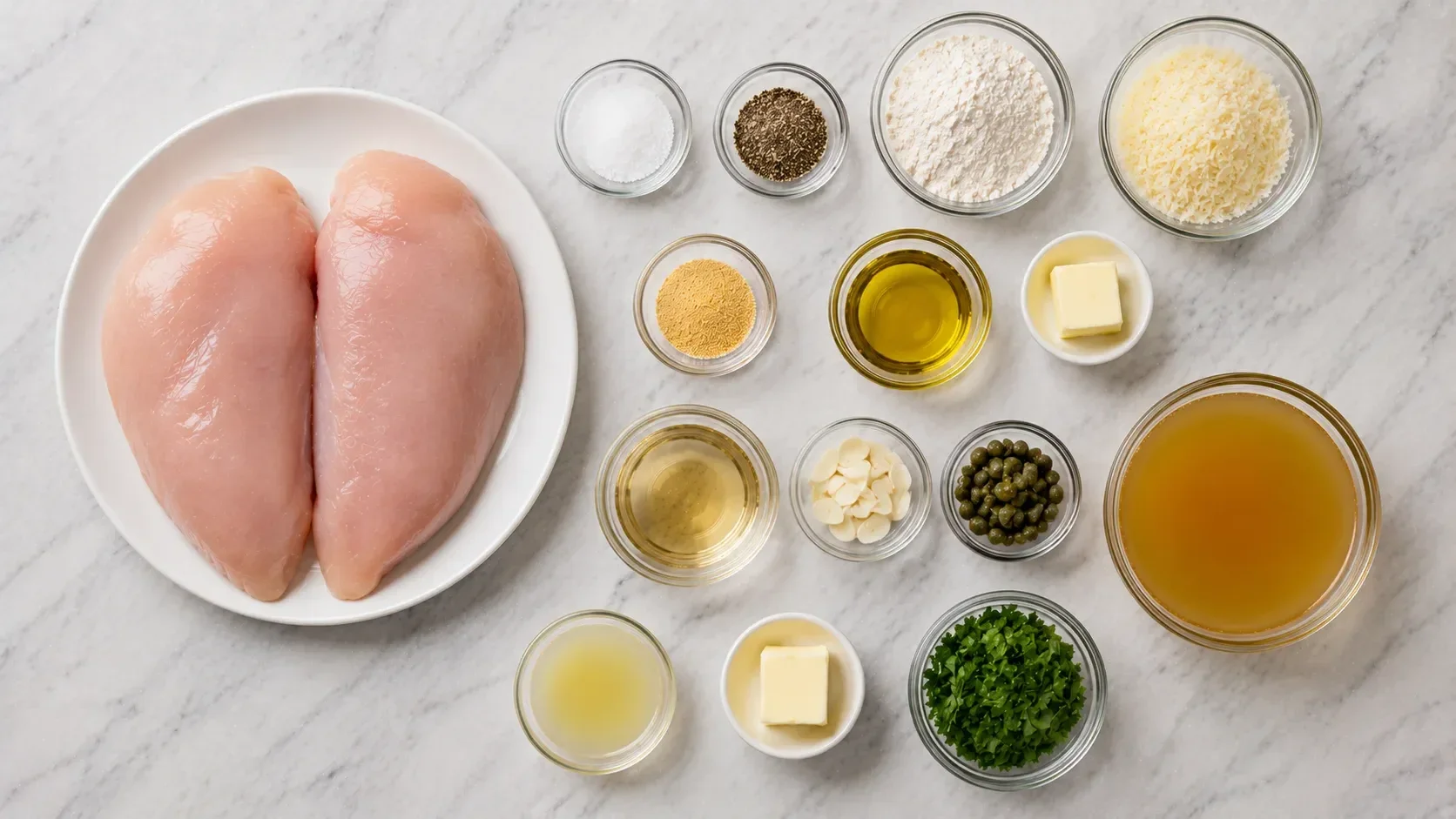
Ingredients
- 2 large boneless skinless chicken breasts (provides texture)
- 1 teaspoon salt (enhances overall flavor)
- ½ teaspoon pepper (adds mild heat)
- ½ cup flour (creates a crispy coating)
- ¼ cup Parmesan cheese, finely grated (adds richness)
- 1 teaspoon garlic powder (contributes savory flavor)
- 3 tablespoons olive oil (for cooking and flavor)
- 1 tablespoon salted butter (adds creaminess)
- ½ cup dry white wine, like chardonnay or pinot grigio (deglazes the pan and adds acidity)
- 4 cloves garlic, thinly sliced (brings aromatic flavor)
- 2 tablespoons capers, drained (adds a briny bite)
- 1 cup chicken broth (provides moisture and depth)
- 2 tablespoons lemon juice (offers brightness)
- 2 tablespoons cold salted butter (finishes the sauce’s richness)
- ¼ cup fresh parsley, roughly chopped (for garnish and freshness)
How to Make Chicken Piccata
Step 1. Begin by preparing the chicken breasts. Cut each one into three thinner slices to help them cook evenly. Then, using a meat mallet or rolling pin, pound the slices down to about a ¼ inch thick. This step helps ensure that the chicken remains tender and cooks thoroughly.
Step 2. In a shallow dish, combine the flour, finely grated Parmesan cheese, garlic powder, salt, and pepper. This mixture will add a flavorful crust to the chicken. Dredge each piece of chicken in the flour mixture, coating both sides well, so they are ready for searing.
Step 3. Heat the olive oil and butter in a large skillet over medium heat. Once the butter has melted and started to foam, carefully add the coated chicken slices to the pan. Sear each side for about 3-4 minutes, watching for a golden brown color to form, which indicates that they are cooking properly.
Step 4. After the chicken is nicely browned, remove it from the skillet and set it aside on a plate. In the same skillet, pour in the white wine and add the thinly sliced garlic. Stir the mixture as it simmers to help deglaze the pan and lift any flavorful bits. Let it reduce while the liquid cooks down a bit.
Step 5. Next, stir in the drained capers, chicken broth, and lemon juice. This combination of ingredients will form a tangy sauce that complements the chicken beautifully. Return the chicken to the pan, nestling it into the sauce and spooning some sauce over the top.
Step 6. Allow the chicken to cook in the sauce for an additional 3-5 minutes. The chicken should be cooked through and tender, and the sauce will have reduced slightly. To finish, take the cold salted butter and stir it into the sauce to create a silky texture, coating the chicken with a rich glaze.
Step 7. Once finished, sprinkle the chopped parsley over the top as a fresh garnish. This adds a nice touch of color and flavor, making the dish visually appealing before serving.
Serving Suggestions
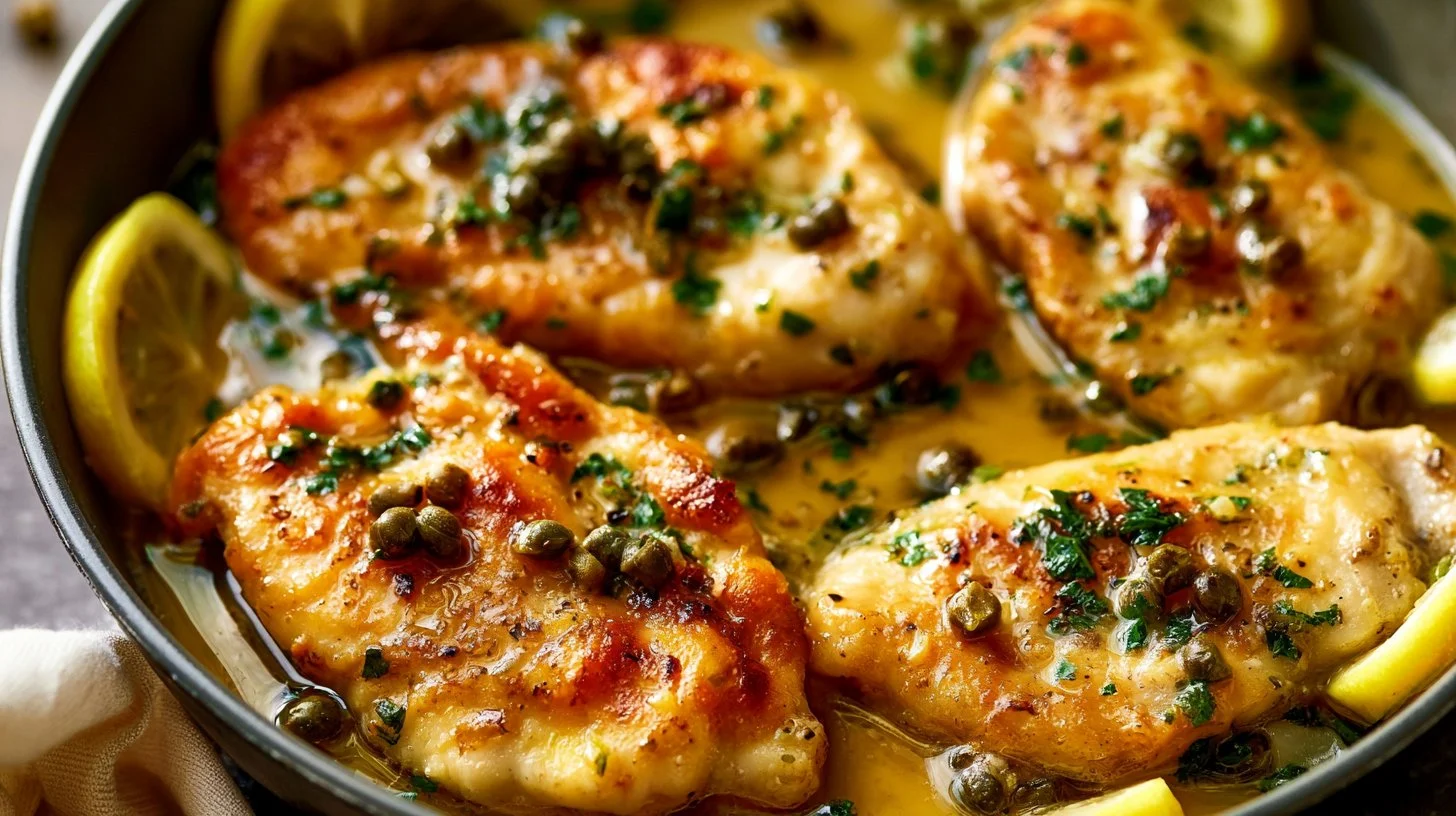
Chicken piccata is versatile enough to be enjoyed in various situations. It can be a delightful dinner option paired with a simple side salad or some steamed vegetables. Leftovers make for a quick lunch, easily reheated and just as enjoyable the next day. For breakfast or brunch, it can even be served alongside eggs for a hearty start to the day. The flavors blend beautifully, ensuring it remains a comforting meal any time.
Pro Tips for Best Results
- Ensure the chicken is pounded evenly to achieve consistent cooking.
- Don’t rush the browning process; a good sear enhances flavor.
- Use fresh garlic for a more robust flavor.
- Allow the sauce to reduce adequately for concentrated flavors.
- Add the parsley just before serving to maintain its freshness.
- Serve with a side of pasta or rice to make it more filling.
Common Mistakes to Avoid
- Not pounding the chicken evenly: If the chicken is uneven, some parts may be undercooked while others are overdone. Make sure to pound each piece to an even thickness for uniform cooking.
- Skipping the flour coating: Omitting the dredging step can lead to a soggier texture rather than a crisp crust. The flour helps to hold in moisture and provides a good crust when seared.
- Rushing the searing process: Cooking the chicken too quickly without a proper sear can result in a pale appearance and lack of depth in flavor. Let it brown adequately for that desirable color and taste.
- Overcooking the garlic: Garlic can burn quickly and become bitter if cooked too long. Add it to the pan with the wine and watch it closely to keep its flavor bright.
- Not letting the sauce reduce enough: An overly watery sauce won’t cling to the chicken well and can dilute the flavors. Allow enough time for it to reduce for a more concentrated taste.
- Forgetting the finishing butter: Neglecting to add the cold salted butter at the end can make the sauce less creamy and rich. Remember this step for a smoother texture and better flavor.
Variations & Substitutions
For a twist on this classic recipe, consider adding spinach or mushrooms to the sauce during cooking. They add additional flavors and textures without needing new ingredients. If you’re not keen on chicken, thinly sliced veal or pork can work well as alternatives in this dish. Adjust the cooking times accordingly based on the protein used for best results.
Storage & Reheating
Store any leftover chicken piccata in an airtight container in the refrigerator for up to three days. If you prefer, this dish can be frozen, but it’s best to consume it within a month for optimal taste and texture. When reheating, place it in a skillet over low heat, adding a splash of chicken broth or water to help retain moisture and prevent the chicken from drying out.
Frequently Asked Questions
Can I make this recipe ahead of time?
This dish is best served fresh, but you can prepare the chicken and sauce separately ahead of time. When ready to serve, simply combine and reheat gently to maintain texture.
How long does it last in the fridge?
When stored properly in an airtight container, chicken piccata can last in the refrigerator for about three days. Ensure to reheat thoroughly before serving.
Can I freeze this recipe?
Yes, you can freeze chicken piccata. For best results, freeze it in a sealed container and enjoy it within a month. The texture may change slightly upon thawing.
What can I substitute for one ingredient?
If you don’t have white wine on hand, you can use chicken broth in place of the wine, keeping in mind it will alter the flavor slightly. It still provides moisture.
Why didn’t my recipe turn out as expected?
Several factors can affect the outcome, such as cooking times or ingredient freshness. Ensure you follow the instructions closely, and watch the ingredients carefully as they cook to achieve the best results.
Final Thoughts
Making chicken piccata is a delightful experience that results in a dish filled with comfort and satisfying flavors. The process is straightforward, creating an appealing meal with minimal fuss. Whether enjoyed solo or shared with loved ones, it’s a comforting recipe that can easily become a favorite in your home. Embrace the simplicity and enjoy every bit of it.
Chicken Piccata
Ingredients
Chicken Preparation
- 2 large large boneless skinless chicken breasts provides texture
- 1 teaspoon salt enhances overall flavor
- ½ teaspoon pepper adds mild heat
Breading and Cooking Ingredients
- ½ cup flour creates a crispy coating
- ¼ cup Parmesan cheese, finely grated adds richness
- 1 teaspoon garlic powder contributes savory flavor
- 3 tablespoons olive oil for cooking and flavor
- 1 tablespoon salted butter adds creaminess
Sauce Ingredients
- ½ cup dry white wine like chardonnay or pinot grigio, deglazes the pan and adds acidity
- 4 cloves garlic, thinly sliced brings aromatic flavor
- 2 tablespoons capers, drained adds a briny bite
- 1 cup chicken broth provides moisture and depth
- 2 tablespoons lemon juice offers brightness
- 2 tablespoons cold salted butter finishes the sauce’s richness
- ¼ cup fresh parsley, roughly chopped for garnish and freshness
Instructions
Preparation
- Begin by preparing the chicken breasts. Cut each one into three thinner slices to help them cook evenly. Using a meat mallet or rolling pin, pound the slices down to about a ¼ inch thick.
- In a shallow dish, combine the flour, finely grated Parmesan cheese, garlic powder, salt, and pepper. Dredge each piece of chicken in the flour mixture, coating both sides well.
Cooking
- Heat the olive oil and butter in a large skillet over medium heat. Carefully add the coated chicken slices to the pan and sear each side for about 3-4 minutes until golden brown.
- Remove the chicken from the skillet and set it aside. In the same skillet, pour in the white wine and add sliced garlic. Stir as it simmers to deglaze the pan.
- Stir in the drained capers, chicken broth, and lemon juice. Return the chicken to the pan, spooning some sauce over the top.
- Allow the chicken to cook in the sauce for an additional 3-5 minutes until cooked through and the sauce has reduced slightly. Stir in the cold salted butter to finish.
- Sprinkle the chopped parsley over the top just before serving.